Best Mottingham florist for weddings near St Andrews Church
Posted on 26/09/2026
If you are planning a wedding near St Andrews Church, flowers quickly stop being "just decoration" and become part of the whole experience. The bouquet in your hands, the buttonholes on the suits, the church arrangements as guests arrive, even the way the table flowers frame the room later on - all of it matters. And if you are searching for the best Mottingham florist for weddings near St Andrews Church, you are probably after something very practical: a florist who understands the local area, wedding timing, seasonal flowers, and the sort of service that keeps the day calm instead of chaotic.
Truth be told, wedding flowers are one of those details that can feel exciting and slightly overwhelming at the same time. You want them to look beautiful in photographs, suit the venue, travel well, and arrive on time. You also want a florist who listens properly. Not just nods along. In this guide, we'll walk through how to choose wisely, what to expect, which arrangements usually make sense, and how to avoid the small mistakes that can cause bigger stress later.
Along the way, we'll also point you towards useful local pages on this site, including the wedding flowers in Mottingham service and the wider Mottingham florist options, so you can move from research to planning without the usual tab-hopping madness.
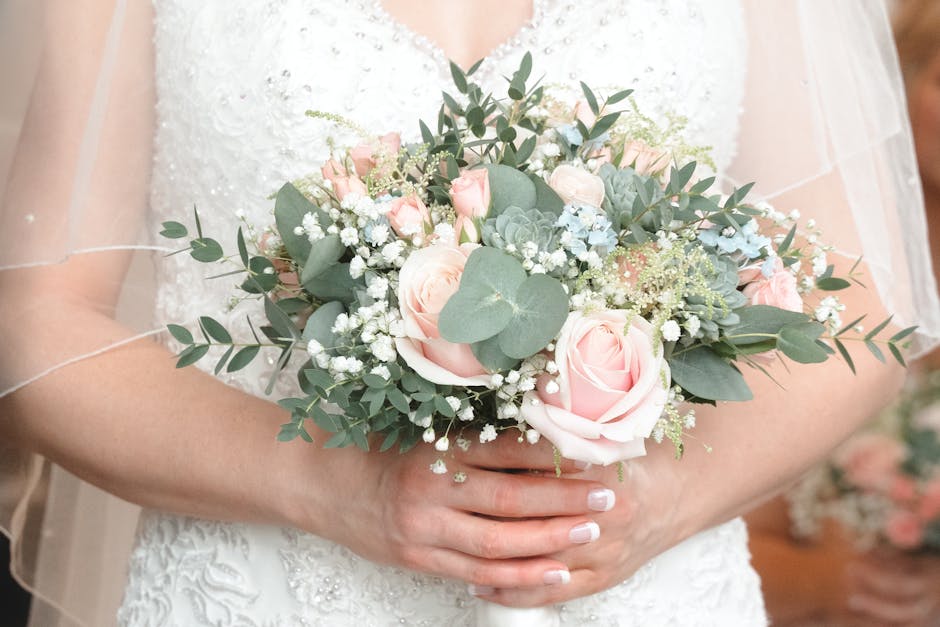
Table of Contents
- Why Best Mottingham florist for weddings near St Andrews Church matters
- How Best Mottingham florist for weddings near St Andrews Church works
- Key benefits and practical advantages
- Who this is for and when it makes sense
- Step-by-step guidance
- Expert tips for better results
- Common mistakes to avoid
- Tools, resources and recommendations
- Law, compliance, standards, or best practice
- Options, methods, or comparison table
- Case study or real-world example
- Practical checklist
- Conclusion
- Frequently asked questions
Why Best Mottingham florist for weddings near St Andrews Church matters
A wedding florist is not simply someone who supplies flowers. Around St Andrews Church, timing, access, weather, and presentation all shape how the flowers look and how smoothly the day runs. A good local florist understands that a church wedding is usually less flexible than a reception space. You may have a tighter schedule for set-up, a brief window for photographs, and very little room for fuss once guests begin to arrive.
That is why choosing the best Mottingham florist for weddings near St Andrews Church is about more than design taste. It is about service, logistics, and reliability. A florist who knows how to coordinate delivery, keep stems fresh, and prepare arrangements for transport can save you a lot of last-minute worry. You do not want to be answering calls about missing buttonholes while you are trying to get dressed. Nobody needs that.
There is also the emotional side. Flowers carry a surprising amount of meaning on a wedding day. They help set the tone before anyone says a word. A soft white palette feels calm and classic. Rich reds or deeper jewel tones can make the day feel dramatic and romantic. A mixed seasonal bouquet can feel relaxed, cheerful, and personal. In a church setting especially, the flowers help bridge the formal setting with your own style as a couple.
For couples marrying in Mottingham, local knowledge matters because it helps a florist plan around practical realities. Parking can be tighter than you expect. Access can be easier at certain times. Some flowers hold up better if there is warm weather, and some need more careful handling if the day is cold and breezy. These are small things, but they add up.
Expert summary: The best wedding florist for St Andrews Church is usually the one who balances design, timing, and calm communication. Pretty flowers are important, yes. But dependable planning is what makes them look effortless on the day.
How Best Mottingham florist for weddings near St Andrews Church works
Most wedding flower planning starts with a conversation, not a catalogue. You discuss the ceremony style, colour preferences, budget, and the key items you need. A florist may then suggest bouquets, buttonholes, church arrangements, pew ends, table flowers, and perhaps a floral statement piece for the top table or registrar-style signing table if needed.
For a church wedding, the process often follows a simple sequence:
- Briefing: You share the date, venue, colours, dress style, and any flowers you love or dislike.
- Design direction: The florist recommends shapes, flowers, and size based on season and budget.
- Quote and confirmation: You agree the contents, quantities, delivery details, and timings.
- Preparation: Flowers are ordered, conditioned, and designed close to the day for freshness.
- Delivery and set-up: Arrangements are delivered to the church, home, or reception venue as planned.
That sounds straightforward, and usually it is. But the detail is where good floristry shows itself. For example, bridal bouquets need to be comfortable to hold for a long period, not too heavy, not too stiff. Buttonholes need to be secure but not bulky. Church displays often need to be visible from a distance without blocking the aisle. A florist who understands these details will design with the event in mind, not just the flowers.
If you are comparing options, it can help to look at the wedding collection and the more specific bouquet and buttonhole pages. Those pages give a clearer sense of style and structure, which is useful when you are trying to work out whether a florist's approach fits your day.
Key benefits and practical advantages
There are plenty of reasons to choose a specialist wedding florist rather than treating flowers as an afterthought. Some are obvious; some only become obvious on the day, usually when everyone else is already busy.
- Better coordination: Wedding flowers have to arrive at the right time and in the right condition.
- More suitable design: A florist can match the ceremony setting, dress style, and season more intelligently than a generic shop order.
- Less stress: Clear planning reduces the chance of awkward surprises.
- Improved photos: Flowers help define the look of the ceremony and reception, which matters more than many couples expect.
- Smarter budgeting: A good florist will tell you where to spend and where to simplify.
- Local practicality: Mottingham delivery and nearby venue knowledge can make the whole thing easier.
There is also a subtle benefit that people sometimes forget: confidence. When you know the florist has understood the plan, you relax a bit. That shows. Wedding mornings are busy enough without wondering whether the bouquets have gone walkabout. To be fair, that peace of mind is worth quite a lot.
If you want a broader feel for the florist's everyday service style, the pages for flower delivery in Mottingham and flower shops in Mottingham can also help you judge how the business handles local orders and customer care.
Who this is for and when it makes sense
This kind of florist service is a strong fit for couples who want the ceremony and reception to feel polished without becoming overly formal or overdesigned. It is especially useful if you are getting married at St Andrews Church and want the florals to feel elegant, coordinated, and easy to manage.
It makes sense if you are:
- planning a church ceremony with a short set-up window
- looking for a local Mottingham florist rather than a faraway supplier
- trying to keep wedding logistics as simple as possible
- keen on fresh flowers that suit the season
- working to a budget but still want the wedding to feel special
- needing bridal bouquets, bridesmaid flowers, buttonholes, and table arrangements from one place
It is also a good fit if you care about detail. Some couples want exact shades, exact bloom types, exact ribbons. Others are happy with a looser brief, as long as the result feels beautiful. Either approach can work. The key is finding a florist who can handle the level of control you want without making the process feel fussy.
If you are less sure where to start, you can begin with a fuller browse of the all flowers range and then narrow down to wedding-specific choices. That tends to make the decision feel less like a leap and more like a conversation.
Step-by-step guidance
Here is a practical way to approach wedding flowers near St Andrews Church without getting buried in options.
1. Start with the ceremony first
Ask yourself what the church space needs. Do you want simple entrance flowers, pew decorations, or a focal arrangement near the altar? You do not need everything. In fact, less can be more in a church setting, especially if the space already has strong character.
2. Decide on the core bouquet style
The bridal bouquet usually sets the tone for everything else. Choose whether you want compact and neat, loose and natural, trailing and romantic, or something fuller and more dramatic. This is often the easiest place to begin because once the bouquet style is set, the bridesmaid and buttonhole design can follow naturally.
3. Match flowers to season and durability
Seasonal flowers are usually fresher, more available, and less likely to feel forced into an awkward shape. Some blooms travel better than others, too. Your florist should be honest here. If a flower is gorgeous but fragile, you need to know that before the wedding day.
4. Build the rest of the wedding around that look
Once the bridal bouquet is decided, the bridesmaid bouquets, buttonholes, and table flowers can be planned to complement it. This keeps everything cohesive. It does not need to be matchy-matchy. Just connected. There is a difference.
5. Confirm delivery details early
For a church wedding, delivery timing matters more than people think. Make sure the florist knows where the flowers need to go, who will receive them, and what the access arrangement is. This is not glamorous. But it is the stuff that keeps the day calm.
6. Check the final list before the week of the wedding
A short final check is worth doing. Names, quantities, colours, and any special requests. Keep it tidy. Wedding admin is rarely fun, but it saves headaches.
Many couples also choose to add a simple bridal bouquet, bridesmaid bouquet, and buttonholes as the core package. That alone can cover a lot of the ceremony flower needs without making things complicated.
Expert tips for better results
Here are the small things that usually make a big difference. Not glamorous, maybe, but very useful.
- Bring dress and fabric references: A photo of the dress, tie, or bridesmaid fabric can help the florist judge colour balance properly.
- Keep your palette tight: Two or three main colours is often enough. Too many and the design can start to feel noisy.
- Ask for shape, not just flower names: Sometimes saying "soft and airy" or "structured and elegant" is more helpful than naming ten blooms.
- Think about handling: Bouquets should be comfortable, buttonholes should be secure, and table flowers should not block conversation.
- Plan for photos: Flowers can look different in daylight, church lighting, and indoor reception lighting. A florist who understands this will guide you well.
- Stay flexible on exact stems: If a substitute flower gives you the same look and better freshness, that is usually the smarter move.
A quick human note here: couples often spend ages debating one bloom, then fall in love with the finished bouquet because the overall shape and texture are what matter. Funny how that works. A peony is lovely, yes, but the whole arrangement is what guests remember.
If sustainability matters to you, it is worth reading the site's sustainability page as part of your research. You may not be planning a fully eco-led wedding, but many couples do care about responsible sourcing and waste reduction. Fair enough, too.

Common mistakes to avoid
Wedding flower plans usually go wrong for fairly ordinary reasons. The good news? They are avoidable if you know what to watch for.
- Leaving the brief too late: The closer you get to the date, the fewer options you may have for specific flowers.
- Choosing too many focal points: If every arrangement is trying to be the star, nothing stands out.
- Ignoring venue scale: Large arrangements can overwhelm smaller spaces. Tiny flowers can disappear in bigger ones.
- Forgetting transport: Bouquet boxes, upright storage, and safe delivery matter more than many people realise.
- Not confirming the ceremony order: If flowers are needed before guests arrive, delivery timing has to match that reality.
- Overfitting to trends: A trendy look can be lovely, but only if it suits the venue and your own style.
One of the most common little errors is assuming "the florist will know." A good florist will know a lot, absolutely. But the best results happen when you give enough context: venue, time, dress style, colour ideas, and any flowers you dislike. That tiny bit of clarity helps more than people expect.
Tools, resources and recommendations
When planning wedding flowers, the right resources help you make calmer decisions. You do not need complicated software or a giant spreadsheet. Just a few practical references.
- Venue photos: Helpful for judging scale, lighting, and where arrangements might sit.
- Colour swatches: Particularly useful if your wedding includes bridesmaid dresses, ties, or themed decor.
- Flower inspiration images: A small curated set is better than a huge Pinterest pile, honestly.
- Budget notes: Helps you distinguish between "must have" and "nice to have."
- Delivery and access notes: Write down who can receive flowers, where they go, and what time they are needed.
For product selection, the wedding-specific store pages are especially useful. You can look at bridal bouquets, bridesmaid bouquets, buttonholes, table arrangements, and the broader wedding corsages pages to see how each item is framed and what might suit your day.
If you are also comparing delivery reliability more generally, the site's delivery information and guarantees pages are useful because they help set expectations in a plain, no-nonsense way.
Law, compliance, standards, or best practice
Wedding floristry is not a heavily regulated service in the way some trades are, but there are still sensible standards a reputable florist should follow. These are less about formal legal drama and more about professionalism, safety, and clarity.
For example, a florist should communicate clearly about what is included, when payment is due, how substitutions are handled, and what happens if a product is unavailable. Those details should not be vague. You should know what you are buying. That is basic best practice, really.
If flowers will be installed near entrances, aisles, or seating areas, arrangements should be secure and placed so they do not create avoidable trip hazards. In church settings, it is also courteous to avoid blocking key access points or interfering with the ceremony layout. Simple common sense, but important.
From a customer perspective, you should also expect reasonable care with personal information, payment details, and order notes. The site's privacy policy, terms and conditions, and payment pages help set those expectations. That sort of transparency is a good sign, especially when you are booking something as time-sensitive as wedding flowers.
And yes, if you are planning a wedding with mixed family needs, cultural considerations, or memorial flowers as part of the wider day, the florist should handle those details with sensitivity. It is not just about design. It is about respect.
Options, methods, or comparison table
When couples plan flowers near St Andrews Church, they usually choose one of three approaches: a minimal church-only package, a coordinated ceremony-and-reception package, or a fully custom wedding floral plan. Each has its place.
| Option | Best for | Advantages | Trade-offs |
|---|---|---|---|
| Church-only flowers | Couples prioritising the ceremony | Simple, focused, easier to budget | Less continuity into the reception |
| Coordinated ceremony and reception | Couples wanting a polished overall look | Beautiful flow from church to venue | Needs a bit more planning and coordination |
| Fully custom floral design | Couples with a strong vision | Maximum personalisation and styling control | Can cost more and takes more decision-making |
If you are unsure which route suits you, start with the church ceremony flowers and the bridal bouquet. Those two elements do a lot of the visual work. Then add reception flowers only if they genuinely improve the day rather than simply filling space. That's the trick, really.
Case study or real-world example
Here is a realistic example from the kind of planning couples often do. A pair marrying near St Andrews Church wanted a classic look but did not want the flowers to feel too formal. They chose a white-and-soft-green palette with gentle texture, then tied the look together with matching bouquets, buttonholes, and a few modest table arrangements later in the day.
Instead of ordering every possible item, they focused on the pieces that would matter most in photos and in the ceremony itself. The bridal bouquet was the centrepiece. Bridesmaid bouquets were slightly smaller but echoed the same shape. Buttonholes were simple and secure. For the reception, they chose a few table arrangements rather than a room full of large installations.
The result was calm, elegant, and practical. Nothing felt overdone. The flowers worked hard without shouting for attention. And because the florist handled delivery in one clear window, the couple could concentrate on everything else - which, let's face it, is already enough on a wedding day.
That kind of planning is a good model if you want beautiful results without turning your whole week into floral admin.
Practical checklist
Use this checklist to keep your planning on track. It is simple, but it saves a lot of back-and-forth.
- Confirm your wedding date and ceremony time
- Share the St Andrews Church location and access notes
- Decide on your main colour palette
- Choose the bridal bouquet style first
- List bridesmaid bouquets, buttonholes, corsages, and any table flowers
- Set a realistic budget before requesting extras
- Ask which flowers are in season
- Check how delivery and set-up will work on the day
- Confirm payment terms and substitution policy
- Keep one final contact number ready for the wedding week
If you want to narrow the planning into a few practical choices, start with the wedding corsages, table arrangements, and a simple bridal-and-bridesmaid bouquet combination. That gives you a strong base without making the design too busy.
Conclusion
Finding the best Mottingham florist for weddings near St Andrews Church is really about choosing a team that understands both beauty and logistics. You need flowers that look lovely, yes, but you also need clear communication, sensible delivery timing, and arrangements that suit the venue and the pace of the day. That balance is what separates a decent flower order from a genuinely smooth wedding experience.
Start with the ceremony. Keep the palette focused. Ask for advice on seasonality. And choose a florist who sounds calm when they talk through the details - because calm is contagious, in the best possible way.
Get a free quote today and see how much you can save.
If you are ready to take the next step, explore the wedding-specific flower ranges and see which styles feel right for your day. A good conversation now can make the whole wedding feel lighter later. And that is worth quite a lot.
Frequently Asked Questions
What should I look for in the best Mottingham florist for weddings near St Andrews Church?
Look for clear communication, wedding experience, local delivery knowledge, flexible design advice, and a style that matches your ceremony. Reliability matters as much as creativity.
How far in advance should I book wedding flowers?
It is sensible to book as early as you can, especially if your date is in a busy wedding season. Earlier booking gives you more choice and reduces stress when you finalise the design.
Can a florist help with both church flowers and reception flowers?
Yes, and that is often the easiest option. A single florist can keep the colours and style consistent from the ceremony to the reception.
What flowers are best for a church wedding?
That depends on season, budget, and style. Roses, lilies, lisianthus, chrysanthemums, and mixed seasonal flowers are all common choices, but the best option is the one that suits your overall look and holds up well on the day.
Do I need to order a full wedding package?
No. Many couples only need a bridal bouquet, bridesmaid bouquets, buttonholes, and one or two ceremony arrangements. A smaller order can still look beautiful if it is well planned.
How do I keep wedding flowers within budget?
Focus on the most visible items first, such as the bridal bouquet and ceremony flowers, then simplify the rest. Using seasonal flowers and fewer large arrangements can also help.
What if I do not know what style I want yet?
Start with a few reference images and a general feeling: classic, romantic, modern, or natural. A good florist can shape the rest from there. You do not need every detail worked out from day one.
Can flowers be delivered directly to St Andrews Church?
That depends on the arrangement with the florist and the venue access details. Always confirm delivery timing, who will receive the flowers, and where they need to be placed.
Are wedding flower substitutions common?
They can be, especially if a specific bloom is unavailable or out of season. Reputable florists usually try to keep the same look and value if a substitution is needed, and they should communicate clearly about it.
What if I also need gifts or extra wedding items?
Some couples like to add small extras such as corsages, gift flowers, or even a little thank-you arrangement later. You can browse the wider store pages for ideas and keep everything under one roof, which is quite convenient.
How do I make sure the bouquet suits my dress?
Share a photo of the dress, fabric, or colour swatch with your florist. That helps them judge size, shape, and palette so the bouquet complements the dress rather than competing with it.
Is it better to choose a florist near me or a specialist wedding florist?
Ideally both. A local florist with wedding experience gives you the practical benefits of proximity and the design knowledge needed for a wedding setting. That combination is usually the sweet spot.