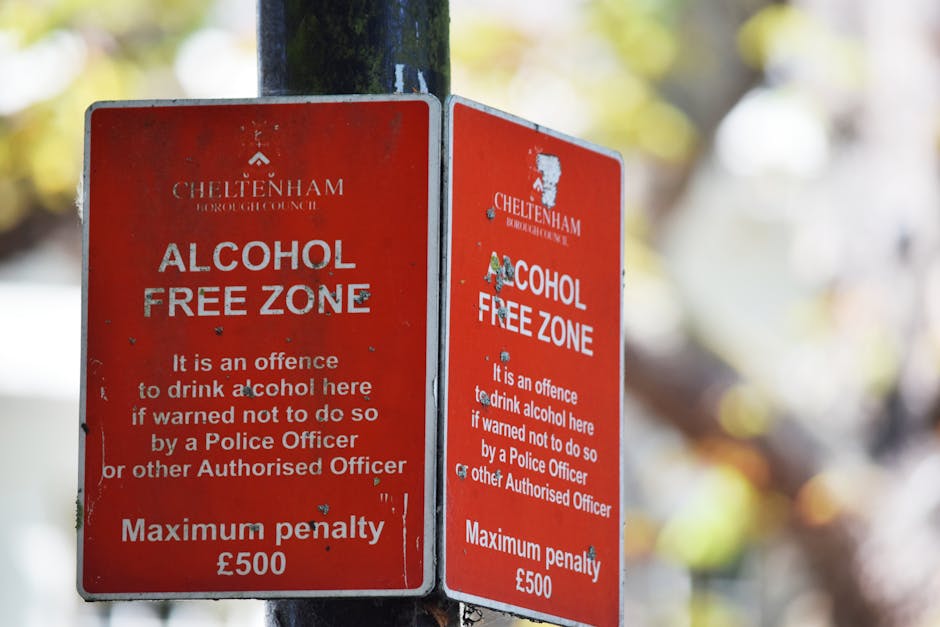
Bromley Council rules for roadside floral displays in Mottingham
Posted on 12/10/2026
Bromley Council rules for roadside floral displays in Mottingham: what residents and businesses need to know
If you are planning a roadside floral display in Mottingham, the details matter more than most people expect. A neat planter, a memorial arrangement, or a seasonal display can brighten a street and make a real difference to how a place feels on a grey Bromley morning. But roadside displays sit in a tricky space: they must look good, stay safe, and avoid causing problems for pedestrians, drivers, or the council.
This guide explains Bromley Council rules for roadside floral displays in Mottingham in plain English. You will find out why the rules matter, how the process usually works, what to check before placing anything near the highway, and the mistakes that cause the most trouble. We will also look at practical options, compliance basics, and a simple checklist you can use before you set anything out.
To be fair, most issues are avoidable. A little planning up front saves a lot of awkwardness later.
Table of Contents
- Why Bromley Council rules for roadside floral displays in Mottingham Matters
- How Bromley Council rules for roadside floral displays in Mottingham Works
- Key Benefits and Practical Advantages
- Who This Is For and When It Makes Sense
- Step-by-Step Guidance
- Expert Tips for Better Results
- Common Mistakes to Avoid
- Tools, Resources and Recommendations
- Law, Compliance, Standards, or Best Practice
- Options, Methods, or Comparison Table
- Case Study or Real-World Example
- Practical Checklist
- Conclusion
- Frequently Asked Questions
Why Bromley Council rules for roadside floral displays in Mottingham Matters
Roadside floral displays can be lovely. They can also become a nuisance or a hazard in a hurry. That is the simple reason Bromley Council rules for roadside floral displays in Mottingham matter: anything placed near a road, verge, footway, cycle route, or junction needs to be considered from a public safety point of view, not just a decorative one.
In a busy area like Mottingham, you may have narrow pavements, parked cars, crossing points, busier feeder roads, and sightlines that are already tight. A display that seems harmless from your front garden can still reduce visibility, distract drivers, or force pedestrians into the carriageway. And once a display starts to lean, spill soil, or attract wind-blown debris, the issue becomes more than aesthetic. It becomes operational.
The other reason the rules matter is consistency. Councils tend to deal with roadside objects using a mixture of highway safety, amenity, and maintenance standards. That means the question is rarely "Is it pretty?" The real question is more like: Does it stay within the safe and permitted use of public land, and can it be maintained without causing risk?
Expert summary: if your floral display sits anywhere close to the public highway, assume safety and visibility will matter as much as appearance. Plan for both. Pretty is good. Safe is essential.
There is also a community angle. One display done well can inspire others. One display done badly can trigger complaints, and then people start noticing every planter, stake, ribbon, or pot in the street. Human nature, really.
How Bromley Council rules for roadside floral displays in Mottingham Works
The exact approach depends on where the display will sit and whether it is on private land or affects the public highway. That distinction is the heart of the issue. If the floral display is fully on private property, the council's direct control may be limited. But if it touches, crosses, projects over, or occupies public land, the expectations are much stricter.
In practical terms, Bromley Council and the wider highway framework usually care about several things:
- whether the display blocks sightlines for drivers or pedestrians
- whether it narrows the usable footway
- whether it could fall, spill, or blow into the road
- whether it might distract traffic at a junction, roundabout, or crossing
- whether it interferes with street cleansing, maintenance, or utilities access
- whether it creates trip hazards or obstructs mobility users, buggies, or wheelchairs
If a display is intended to mark a memorial, celebration, community event, or seasonal feature, the council may also look at duration. Temporary displays are often easier to justify than long-term roadside fixtures, but temporary does not mean unrestricted. A planter left in the wrong spot for even a short time can still cause an issue. Six o'clock on a wet evening, with visibility dropping and traffic building? That is when small mistakes get noticed fastest.
It is sensible to think in layers:
- Location: exactly where will the display sit?
- Ownership: private land, adopted highway, verge, verge edge, or frontage?
- Visibility: can road users see past it safely?
- Stability: can it stay put in wind and rain?
- Maintenance: who waters it, clears litter, and removes it if needed?
That layered approach helps you avoid the common trap of focusing only on the flowers themselves. The flowers are the visible part. The permissions, risk, and maintenance are the real story.
If you are also managing a broader flower order or local floral service in the area, it can help to understand the difference between roadside decoration and standard customer delivery. Our page on flower delivery in Mottingham is a useful reminder that most arrangements are designed for homes and workplaces, not exposed public locations. Likewise, for people comparing options, the main Mottingham florist page shows the wider range of local floral services available.
Key Benefits and Practical Advantages
Following the rules may sound restrictive, but there are real benefits. In our experience, the best roadside displays are the ones that look effortless because the planning behind them was thorough.
- Fewer complaints: neighbours are far less likely to object if the display is tidy, safe, and not intrusive.
- Better longevity: displays placed in sensible positions tend to survive wind, rain, vehicle spray, and foot traffic better.
- Lower risk: reduced chance of obstruction, damage, or accidental movement into the carriageway.
- Cleaner presentation: a well-sited display looks deliberate rather than improvised.
- Less maintenance stress: you are not constantly rescuing toppled pots or re-tieing decorations.
There is a quieter benefit too: confidence. When you know you have thought through Bromley Council rules for roadside floral displays in Mottingham, you can focus on the actual design instead of wondering whether someone will ask you to remove it next week.
That matters for families arranging memorial flowers, businesses marking an occasion, and community groups trying to improve a parade of shops or a frontage. A compliant display does not have to be boring. It just has to respect the space it occupies.
For seasonal inspiration or a more decorative approach, some readers also look at broader floral styles like summer flowers, all flowers, or the more curated florist choice options. Those are product ideas rather than roadside rules, of course, but they can help you think about colour, scale, and sturdiness.
Who This Is For and When It Makes Sense
This topic is relevant to more people than you might think. Roadside floral displays are not just for formal events. They appear in daily life all the time.
- Homeowners who want to place planters or flowers near their frontage
- Local businesses hoping to improve kerb appeal or mark a special occasion
- Families setting out memorial flowers near a meaningful spot
- Community groups working on neighbourhood beautification
- Event organisers planning temporary floral decoration near the street
- Contractors or florists supporting an installation for a customer
It makes sense whenever the display is visible from the road, close to a pavement, or likely to attract footfall. It also makes sense if you are unsure where the boundary between your property and the highway sits. Truth be told, that boundary can be less obvious than people expect. A front wall, a verge, or a tiny strip of land may look private but still have highway implications.
If you are choosing flowers for a local occasion rather than a roadside feature, practical size and durability matter too. A bouquet for a front-window celebration is not the same as something exposed to the weather. For gifting or general use, pages like birthday flowers, funeral flowers, and wedding flowers show how the same florist may handle very different needs.
So, when does a roadside display make sense? Usually when it is temporary, stable, small enough to avoid obstruction, and set up with a clear maintenance plan. If any of those pieces are missing, it is worth pausing.
Step-by-Step Guidance
Here is a practical way to approach a roadside floral display in Mottingham without overcomplicating it.
- Check the exact location. Stand where the display will go and look from several angles. Can people pass comfortably? Can drivers see approaching traffic, crossings, bends, or driveways?
- Confirm land ownership or control. If you are not sure whether the spot is part of the highway, do not assume. A quick assumption is where problems usually begin.
- Decide whether the display is temporary or ongoing. A one-day feature is different from something that will sit there through all seasons.
- Keep scale sensible. Smaller, lower, and sturdier is usually better near roads. Tall, loose, or top-heavy displays are harder to justify.
- Choose materials that stay put. Weighted pots, secure containers, and weather-resistant supports are worth the effort.
- Avoid anything that could break away. Lightweight ornaments, loose ribbons, and unstable stands can become litter or hazards.
- Plan maintenance. Who waters it? Who checks it after wind or rain? Who removes it if there is an issue?
- Prepare for change. If the council, a neighbour, or a highway issue requires adjustment, be ready to move or reduce the display quickly.
A small but important point: the best roadside arrangements often look a bit understated at first glance. That is not because they lack impact. It is because they are placed with restraint. A low planter with neat seasonal colour often works far better than a sprawling arrangement that tries to do too much.
If you need flowers for a quicker turnaround while planning something temporary, services such as same-day flower delivery or next-day flower delivery can be useful for standard orders. Just remember that a delivery service does not replace the need to consider highway safety where roadside placement is involved.
Expert Tips for Better Results
A few small choices can make the whole project smoother. We have seen enough roadside displays to know that the difference is often in the tiny details, not the grand design.
- Keep the display low enough to preserve sightlines. If someone has to crane around it, it is probably too tall.
- Choose flowers with decent weather tolerance. Exposure near the road is harsher than many people expect.
- Use a tidy base. Soil, moss, gravel, or a clean weighted planter base all look more controlled than an improvised setup.
- Match the display to the setting. Bright and seasonal can be lovely, but a very busy palette may feel chaotic at a junction.
- Think in terms of cleaning as well as decorating. Anything that sheds petals, soil, or packaging can become a nuisance quickly.
- Document your arrangement. A quick photo before and after installation can be helpful if you ever need to explain what was done.
One slightly overlooked tip is timing. If a display is going up before a weekend event or a public occasion, set it up when foot and traffic levels are lower if possible. Early morning can be calmer. Less noise, fewer interruptions, and fewer people stepping around you with coffee in hand. Much easier.
Another practical idea: use colours and forms that hold together visually from a distance. On a roadside, passers-by do not examine each stem. They see shape, movement, and contrast. A simple composition often reads better than a crowded one.
If you are building a wider floral theme for a local occasion, the product categories at best sellers, luxury flowers, and cheap flowers can give you a rough sense of what is available without overcommitting to a single style too soon.
Common Mistakes to Avoid
Most roadside floral display problems are not dramatic. They are just the kind of small oversights that snowball.
- Placing displays too close to the carriageway. Even if it looks fine from your garden gate, it may not be fine for a passing cyclist or van.
- Using unstable containers. A light pot in a windy spot can move more than you think.
- Blocking a sightline at a corner or junction. This is one of the most serious mistakes because it affects road safety directly.
- Ignoring drainage or spill risk. Water and loose compost can create mess on footways.
- Making the display too tall or too wide. Big is not automatically better.
- Leaving faded or damaged flowers in place for too long. That can make the whole street look neglected.
- Assuming permission because no one complained on day one. Silence is not approval. It just means nobody has noticed yet.
A common social mistake is not talking to neighbours. If your display affects a shared frontage or a stretch of street with several households, a quick heads-up can prevent friction later. Nothing fancy. Just a calm conversation. It saves a lot of awkward nodding across fences.
And one more, because this catches people out: do not mix decorative roadside arrangements with items that could be mistaken for signage, memorials, or traffic management. If the display starts to look like a warning marker, the whole tone changes immediately.
Tools, Resources and Recommendations
You do not need specialist equipment for every display, but a few basics make life much easier.
| Item | Why it helps | Best use |
|---|---|---|
| Weighted planter or heavy base | Reduces the chance of movement in wind | Temporary roadside displays and frontage decoration |
| Measuring tape | Helps judge how much space pedestrians and vehicles really have | Checking clearances before setup |
| Photo record | Useful for documenting placement and condition | Before installation and after any adjustments |
| Weather-resistant ties or supports | Keeps arrangements neat and secure | Displays exposed to regular movement or breezes |
| Simple maintenance checklist | Makes upkeep consistent | Short-term and ongoing displays |
For general floral planning, it can also help to understand flower care basics. A display that is healthy for longer is often one that has been chosen and handled with care from the start. The site's flower care page may be useful if you are comparing how different flowers hold up in real conditions.
If you need to arrange flowers for a bigger household or business event at the same time, pages like corporate accounts and about us can help you understand the wider service background, especially if you are coordinating repeat floral needs rather than a one-off arrangement.
One more practical recommendation: choose suppliers and arrangements that are easy to transport. Long, loose, delicate constructions are lovely indoors. Outside by the road, they can become a headache very quickly.
Law, Compliance, Standards, or Best Practice
Because roadside floral displays can affect the public highway, it is wise to treat them as a compliance issue, not just a design choice. The exact permissions and restrictions can depend on the site, the nature of the display, and whether council or highway approval is needed. If there is any doubt, check before placing anything in a location that might be considered public land or highway-adjacent.
In broad terms, best practice usually means the display should:
- not obstruct footways or carriageways
- not reduce visibility for road users
- not create a trip hazard
- remain stable in normal weather conditions
- be maintainable and removable without difficulty
- respect neighbours and nearby properties
It is also sensible to keep within ordinary expectations for public safety and tidiness. That means avoiding loose materials, not letting water pool onto paths, and making sure the display can be removed promptly if needed. If a council officer, neighbour, or contractor flags a concern, a cooperative response goes a long way.
Where the display is connected to a memorial or sensitive occasion, extra tact helps. A display can be both respectful and compliant. That is the goal. Not one or the other. If you are arranging remembrance flowers, for example, the distinction between a private tribute and a roadside installation matters a great deal. A dedicated tribute arrangement from the florist's collection may suit some needs better than a roadside setup, especially if public access is involved.
Best practice also means keeping records of any agreements, especially if a display is repeated annually or used for community events. A short note about where it sits, who checks it, and when it comes down can prevent misunderstandings later.
Options, Methods, or Comparison Table
There is no single right way to handle a roadside floral display. The best option depends on location, duration, and risk. Here is a simple comparison to make the choice easier.
| Option | Pros | Cons | Best for |
|---|---|---|---|
| Small weighted planter | Stable, tidy, relatively easy to manage | Limited visual impact | Frontages, corners, quiet roadside areas |
| Temporary floral tribute | Appropriate for short-term occasions, respectful | Needs monitoring and removal plan | Memorials, anniversaries, community moments |
| Seasonal decorative display | Can brighten a street for weeks | Maintenance is more demanding | Businesses, neighbourhood improvement |
| Large feature arrangement | Visually striking | Higher risk of obstruction or complaints | Controlled private frontage with plenty of space |
If you are unsure which route to take, smaller usually wins. Not because ambition is bad. Just because roads are unforgiving places for oversized ideas. A well-kept modest display often earns more goodwill than something dramatic that keeps wobbling in the wind.
For standard gifting or non-roadside use, more traditional selections like flowers in a vase or baskets and posies may be easier to manage than outdoor arrangements. They are not road solutions, obviously, but they show how form and stability can go hand in hand.
Case Study or Real-World Example
Imagine a Mottingham shopfront that wants to place a floral display near the pavement for a spring promotion. The owner likes the idea of a bright, eye-catching setup. They are thinking tall stems, a decorative stand, and a cluster of flowers close to the kerb.
At first glance, it seems fine. But once they stand back and look from driver height, two issues appear. First, the display sits near the corner where visibility already matters. Second, the wide base crowds the pedestrian line, especially when two people pass each other with bags. So the idea gets adjusted rather than abandoned.
The final version is smaller, lower, and slightly set back. The planter is heavier, the flowers are more compact, and the colour palette is restrained to two tones. It still looks attractive from the pavement. It still signals freshness and care. But it no longer creates a pinch point.
That is the sort of compromise that usually works best. Not perfect on the first try, but better after a proper look. A bit of patience, a small adjustment, and suddenly the whole street feels calmer.
The same logic applies to a family memorial or community tribute. A respectful floral display can be deeply meaningful, but if it is positioned with no thought for movement, weather, or maintenance, it can become difficult for everyone involved. The careful version is often the kindest version.
Practical Checklist
Use this before placing any roadside floral display in Mottingham.
- Have I checked whether the location is private land or part of the highway?
- Will the display leave enough room for pedestrians, prams, and wheelchair users?
- Could it block visibility for drivers, cyclists, or people crossing nearby?
- Is the container heavy and stable enough for wind and rain?
- Will the arrangement stay tidy without constant intervention?
- Have I avoided loose items that could blow away?
- Is there a clear person responsible for maintenance and removal?
- Does the display look safe from multiple angles, not just from my own front door?
- Have I told neighbours or anyone else who may be affected?
- Am I ready to move it quickly if a problem arises?
If you can tick all of those boxes, you are in a much stronger position. If you cannot, pause and rethink. No drama needed. Just a sensible reset.
Conclusion
Bromley Council rules for roadside floral displays in Mottingham are really about balance: beauty on one side, safety and access on the other. When those two are in harmony, the result can be genuinely lovely. A small display, well placed, can lift a street in a way that people quietly appreciate every time they pass.
The key is not to overcomplicate it. Check the location, think about visibility, choose stable materials, and make maintenance part of the plan from day one. That is what separates a charming local feature from something that becomes a nuisance.
If you are planning flowers for a roadside setting, a memorial, or a temporary frontage display, take your time, ask the right questions, and keep the final arrangement simple and secure. In the end, the most successful displays are the ones that feel natural to the street, not forced onto it.
Get a free quote today and see how much you can save.
Frequently Asked Questions
Do I need permission for a roadside floral display in Mottingham?
It depends on exactly where the display will sit and whether it affects public land or the highway. If anything touches the pavement, verge, or road edge, it is wise to check first rather than assume it is allowed.
Can I put flower pots on the pavement outside my house?
Not automatically. Even if the pavement is directly outside your property, it may still be part of the public highway. The main concern is whether the pots block or endanger pedestrians, mobility users, or vehicles.
What counts as a roadside floral display?
Anything decorative placed close to the road, pavement, verge, or highway boundary can count. That includes planters, tribute arrangements, seasonal decorations, and flower displays near a shopfront or frontage.
Are memorial flower displays treated differently?
Sometimes they are handled with more sensitivity, but they still need to be safe and manageable. Respectful intent does not remove the need to think about access, visibility, and maintenance.
How long can a floral display stay in place?
There is no one-size-fits-all answer. Short-term arrangements are usually easier to manage than long-term ones, but duration alone does not make a display acceptable. Location and safety matter more.
What is the safest type of roadside floral display?
Generally, a low, weighted, stable display with minimal loose material is the safest option. Smaller arrangements are easier to control and less likely to interfere with foot traffic or sightlines.
Can roadside flowers affect visibility for drivers?
Yes, especially if they are tall, wide, or placed near a junction, driveway, crossing, or bend. Even a pretty display can become a problem if it blocks the view people need to make safe decisions.
What should I do if my display keeps blowing over?
Reassess the weight, base, and placement. If it is still unstable after adjustment, the display may simply be too exposed for that spot. Sometimes the best fix is moving it somewhere more sheltered.
Are there any flowers that work better outdoors near the road?
Hardier, more compact flowers and arrangements usually cope better than delicate, loose, or very tall designs. Weather resistance and structure matter just as much as colour.
Can a florist help with a compliant roadside display?
Yes, a florist with local experience can help you think about scale, stability, and presentation. They may also suggest arrangements that suit outdoor conditions better than a standard indoor bouquet.
What is the biggest mistake people make with roadside floral displays?
Assuming a display is fine because it looks neat. In reality, the main questions are whether it obstructs people, affects safety, or creates maintenance issues. Looks help, but they are only part of the picture.
What is the next sensible step if I am unsure?
Start by checking the exact location and asking whether the display will affect the public highway. If there is any doubt, keep the arrangement smaller and more temporary until you have clarity.