Unlocking the Potential of Your Hydrangea Garden
Posted on 14/08/2025
Unlocking the Potential of Your Hydrangea Garden
Hydrangeas have captured the hearts of gardeners worldwide, widely admired for their large, vibrant blooms and their ability to bring timeless beauty to any landscape. Whether a novice green thumb or an experienced horticulturist, unlocking the potential of your hydrangea garden can elevate your outdoor space into a flourishing, colorful sanctuary. In this comprehensive guide, we'll explore expert tips, advanced techniques, and the secrets to nurturing healthy, stunning hydrangeas that thrive year after year.
Understanding Your Hydrangea Varieties
Hydrangeas come in a remarkable array of shapes, sizes, and colors, each variety offering unique characteristics and care requirements. Knowing your hydrangea type is paramount to maximizing performance in your garden.
Popular Hydrangea Types
- Hydrangea macrophylla (Bigleaf or Mophead): Famous for their showy blue, pink, or purple globular blooms, these are among the most widely cultivated hydrangeas. Their color can be altered based on soil pH.
- Hydrangea paniculata (Panicle Hydrangea): Known for their elongated, cone-shaped white flowers that often turn pinkish as they mature. Panicle hydrangeas are highly adaptable and cold-hardy.
- Hydrangea arborescens (Smooth Hydrangea): This native type features large, spherical clusters of white to greenish blooms and impressive hardiness.
- Hydrangea quercifolia (Oakleaf Hydrangea): Recognizable by their oak-shaped leaves and dramatic white flower spikes, oakleaf hydrangeas offer fantastic autumn foliage.
- Hydrangea serrata (Mountain Hydrangea): Similar to bigleaf hydrangeas, mountain hydrangeas have smaller, delicate blooms and are well-suited to colder climates.
Choosing the Right Site for Hydrangea Success
Unlocking the full potential of your hydrangea garden begins with selecting the right spot. Hydrangeas are adaptable but flourish with a few essential site considerations:
- Light Requirements: Most hydrangeas prefer partial sun--ideally, morning sunlight and dappled afternoon shade. Avoid planting in all-day shade, as this may reduce blooming.
- Soil: Hydrangeas love rich, well-draining soil high in organic matter. Ensure the soil retains moisture but doesn't become waterlogged.
- Protection: Plant hydrangeas away from harsh winds and in locations where late spring frosts are less likely to damage emerging buds.
Tip: An east- or north-facing site is perfect for most hydrangea gardens, balancing sun and protection.
Planting Hydrangeas for Maximum Growth
Proper planting techniques make a substantial difference in the long-term health and appearance of your hydrangeas. Follow these guidelines for hydrangea gardening success:
- Dig a Hole: The hole should be twice as wide and deep as the hydrangea root ball.
- Enrich the Soil: Mix in compost or aged manure to boost organic content.
- Planting Level: Keep the crown (where stem meets root) at ground level--planting too deep can stunt growth.
- Mulching: Mulch liberally, 2-3 inches deep, keeping mulch several inches from the stem to deter rot.
- Water In: Hydrangeas need thorough watering after planting--at least one inch per week during the first season.
Nurturing Your Hydrangea Garden: Water, Fertilizer, and Mulch
The care practices you implement determine whether your hydrangea garden just survives--or truly thrives.
Watering Tips
- Consistent Moisture: Hydrangeas have shallow roots and need regular watering, especially during dry spells.
- Morning Watering: Water early to avoid evaporation and fungal issues.
- Deep Soaking: Occasional deep watering encourages robust root systems.
Fertilizing for Optimal Blooms
Apply a balanced, slow-release fertilizer in early spring as new growth appears. Avoid over-fertilizing, as this produces lush leaves but fewer flowers.
- Acidic Fertilizer: For blue hues on mophead hydrangeas, use fertilizers formulated for acid-loving plants.
- Phosphorus Boost: If blooms are sparse, try a fertilizer higher in phosphorus (the middle "P" number).
The Magic of Mulch
Mulching is a simple way to unlock the potential of your hydrangea beds by retaining moisture, suppressing weeds, and regulating soil temperature. Use bark, straw, pine needles, or shredded leaves.
Pruning Hydrangeas for Health and Beauty
Pruning hydrangeas correctly is essential to manage plant size, shape, and ensure bountiful blooming. The timing and techniques depend on your variety:
- Bigleaf & Oakleaf (Old Wood Bloomers): Prune lightly after flowering, removing spent blooms and weak stems. Avoid heavy pruning in spring, as these types flower on last year's wood.
- Smooth & Panicle (New Wood Bloomers): Prune back drastically in late winter or early spring before new buds form. They bloom on the current year's growth.
Pro Tip: Use clean, sharp pruners to prevent disease, and always remove dead or crossing branches to improve airflow.
The Science of Hydrangea Blooms: Color Control
One of the most exciting aspects of nurturing a hydrangea garden is the ability to shift bloom colors--particularly in mophead hydrangeas (Hydrangea macrophylla).
Understanding Bloom Color Chemistry
- Blue Flowers: Achieved in acidic soil (pH 5.2-5.5).
- Pink Flowers: Result from neutral to alkaline soil (pH 6.0 and up).
- Purple Tints: Appear in intermediary pH zones.
How to Change Hydrangea Flower Color
- For Blue: Add aluminum sulfate to the soil and use acidifying mulches (pine needles, coffee grounds).
- For Pink: Apply garden lime and avoid aluminum-based products.
- Monitor Annually: Test soil pH each spring for precise adjustments.
Note: White, panicle, and oakleaf hydrangeas remain unaffected by soil pH; their colors are naturally set.
Troubleshooting Common Hydrangea Problems
Unlock the full potential of your hydrangeas by identifying and resolving issues early:
Common Issues and Solutions
- Lack of Blooms: Likely causes include improper pruning (cutting old wood bloomers too late), late spring frosts, or insufficient sunlight. Encourage flowers by adjusting care and protecting plants from frost.
- Wilting or Brown Leaves: Often the result of under-watering or scorched by too much direct afternoon sun. Move potted hydrangeas to shade or ensure garden plants are watered deeply.
- Leaf Spots or Powdery Mildew: Fungal diseases thrive in wet, crowded conditions. Improve airflow by thinning stems and avoid overhead watering; use a fungicide if needed.
- Pests: Aphids, spider mites, and scale insects may attack. Regularly inspect leaves and use insecticidal soap if infestations occur.
Expanding Your Hydrangea Garden: Advanced Growing Techniques
Ready to take your hydrangea garden to the next level? Try these expert techniques to create an even more impressive display:
Propagating Hydrangeas
- Stem Cuttings: In early summer, take 4-6 inch healthy stem cuttings, remove lower leaves, dip in rooting hormone, and plant in a moist, soilless medium.
- Layering: Bury a low branch under soil while it's still attached to the parent plant. Roots will develop in a few months, and the new plant can be separated later.
Creating Stunning Designs
- Mass Planting: Group hydrangeas en masse for a dramatic, cohesive look.
- Mixing Varieties: Blend panicle, mophead, and oakleaf hydrangeas to extend bloom times and add visual interest.
- Container Gardening: Miniature and dwarf varieties thrive in pots, great for patios or small spaces.
Experiment with hedge borders, foundation plantings, or as striking specimen plants.
Seasonal Maintenance for Year-Round Hydrangea Beauty
Spring
- Apply fresh mulch and begin fertilizing.
- Prune new-wood bloomers before leaves appear.
- Inspect for winter damage and remove dead growth.
Summer
- Water frequently during heat waves.
- Deadhead spent blooms to encourage re-blooming (variety-dependent).
- Monitor for pests and diseases.
Fall
- Stop fertilizing to prevent new, frost-sensitive growth.
- Leave faded flowers for winter interest.
- Apply an extra layer of mulch after first frost in colder regions.
Winter
- Protect roots in extreme climates with mulch or burlap wraps.
- Avoid pruning (except removing obvious dead wood).
- Enjoy hydrangea's dried blooms and architectural form as seasonal decor.
Creative Uses for Your Hydrangea Blooms
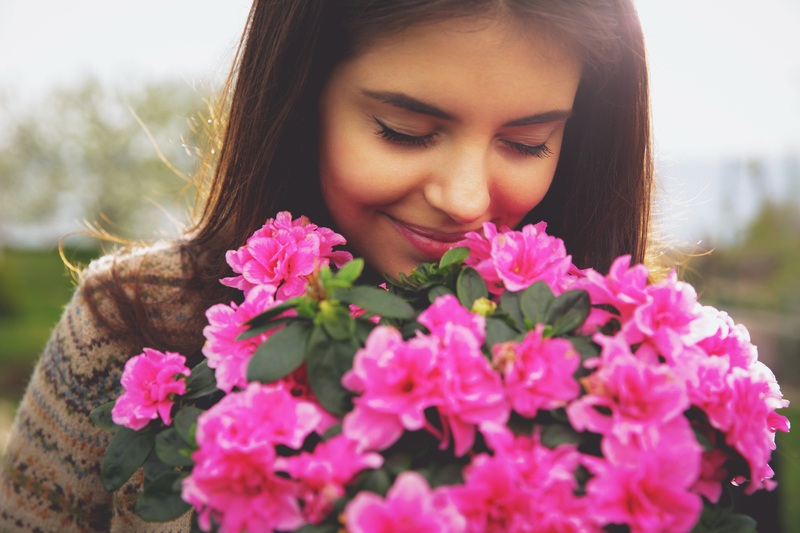
The potential of your hydrangea garden goes beyond just visual appeal. Here are some ways to enjoy your hydrangeas inside the home:
- Cut Flower Arrangements: Hydrangea blossoms make impressive cut flowers for vases and bouquets--cut in the morning for the best vase life.
- Dried Blooms: Hang clusters upside-down in a cool, dark place to dry for long-lasting arrangements and crafts.
- Wreaths and Garlands: Hydrangea flowers add elegance and color to homemade wreaths and festive displays.
Conclusion: Cultivating a Spectacular Hydrangea Garden
Unlocking the potential of your hydrangea garden lies in understanding your varieties, site selection, diligent care, and creative flair. By mastering essential practices--from pruning and watering to soil chemistry and seasonal care--you can transform your landscape with hydrangeas that dazzle from spring through fall.
Embrace the many forms and uses of hydrangeas, experiment with propagation, and don't be afraid to try new arrangements or color-changing techniques. With patience and careful attention, your hydrangea garden will become the envy of the neighborhood, offering boundless beauty and enjoyment for years to come.
Ready to unlock a garden full of luscious hydrangea blooms? Start applying these expert tips today and watch your garden's potential flourish!
Latest Posts
Insight into the Unique Meanings of Every Birth Month Flower
Red Roses as the Purest Expression of Valentine's Affection
Unlocking the Potential of Your Hydrangea Garden
Fresh and Fragrant: Flowers for Birthday Celebrations
The Language of Colours in Peony Blossoms and Their Meanings